DREAM’s Adaptive Reuse and Historic Preservation Practice
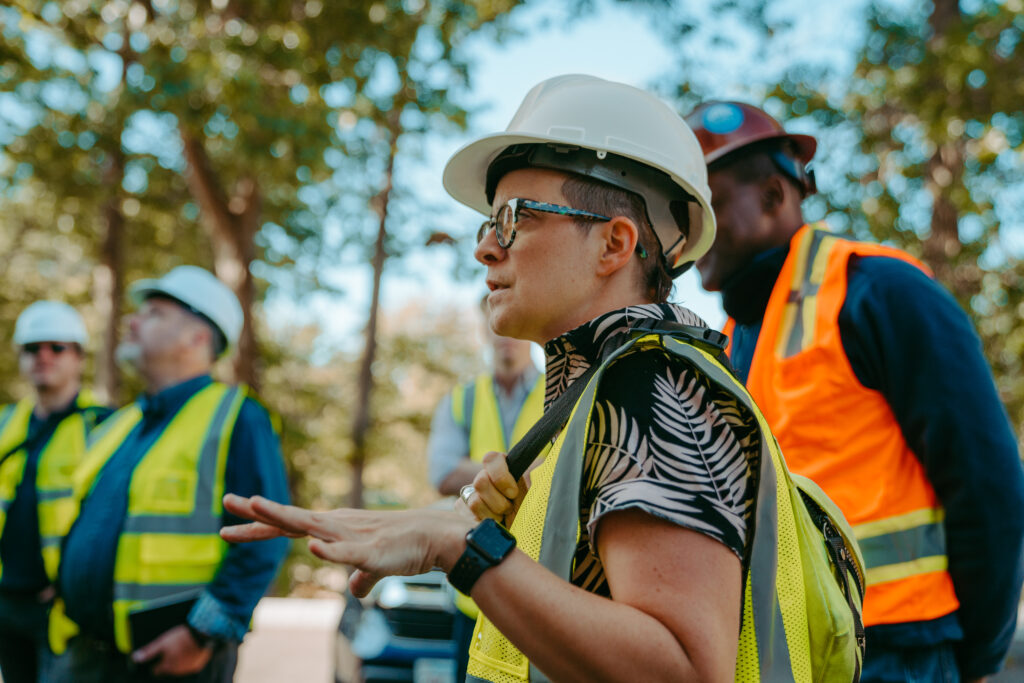
DREAM Collaborative views our historic preservation and adaptive reuse projects as an opportunity to rehabilitate existing buildings, infrastructure and systems towards the mission of lowering our impact on the environment and increasing the value in existing buildings. We work closely with our clients and stakeholders across a variety of project types and sizes to renovate and restore older buildings – and we embrace every chance we get to keep an existing building from demolition.
DREAM approaches every project with a deep commitment to historic preservation and adaptive reuse as a driver of equity, sustainability, and community-led development. Led by our Director of Adaptive Reuse, Thea Massouh AIA, LEED AP BD+C, our team is made up of experts in their fields and have delivered numerous successful projects. From historic landmark church preservation, to the restoration of a 200-year-old brownstone residence and meeting space, to House Doctor services for community college campuses and historic civic buildings, we approach every project with the same level of careful consideration and collaboration.
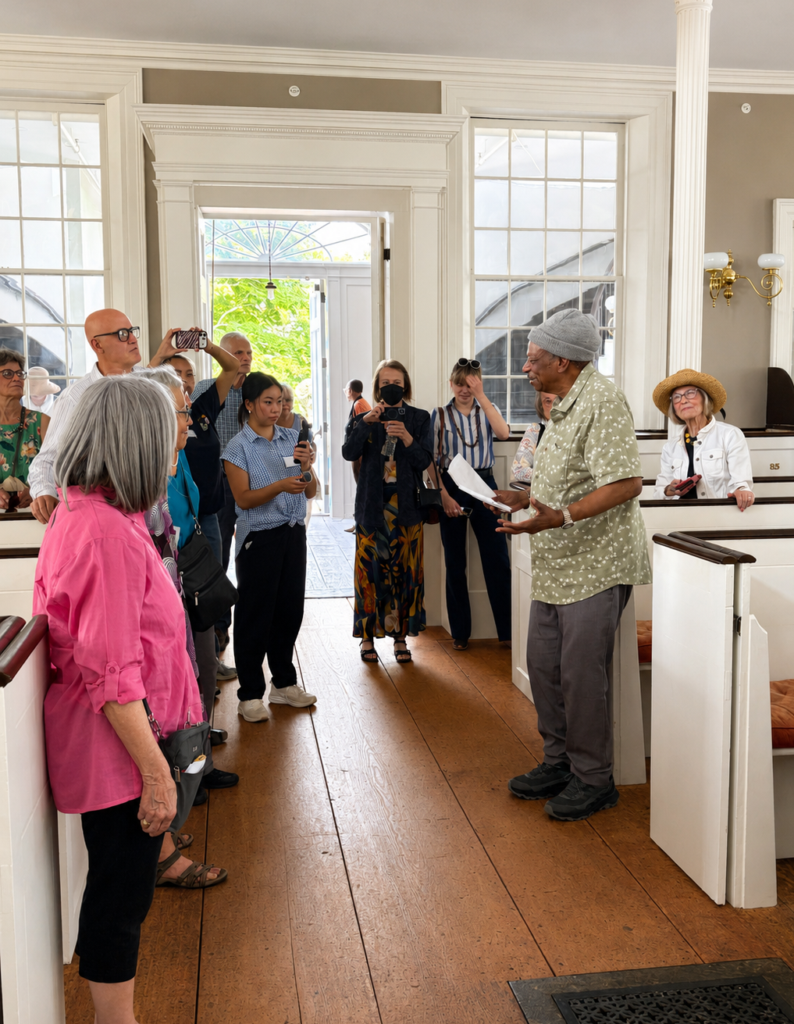
First Church Roxbury
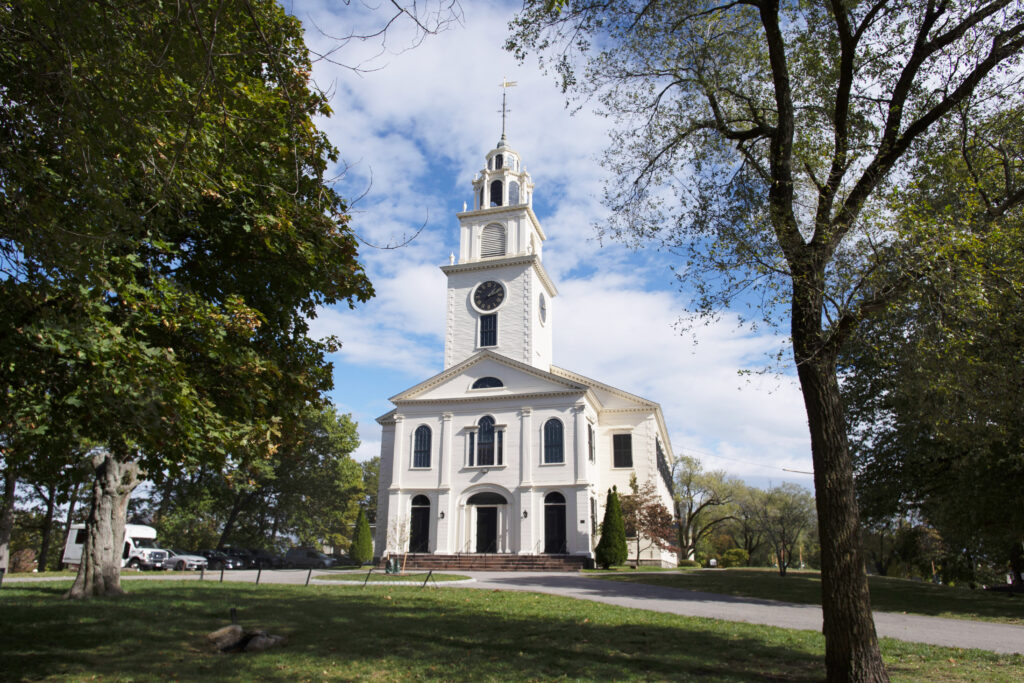
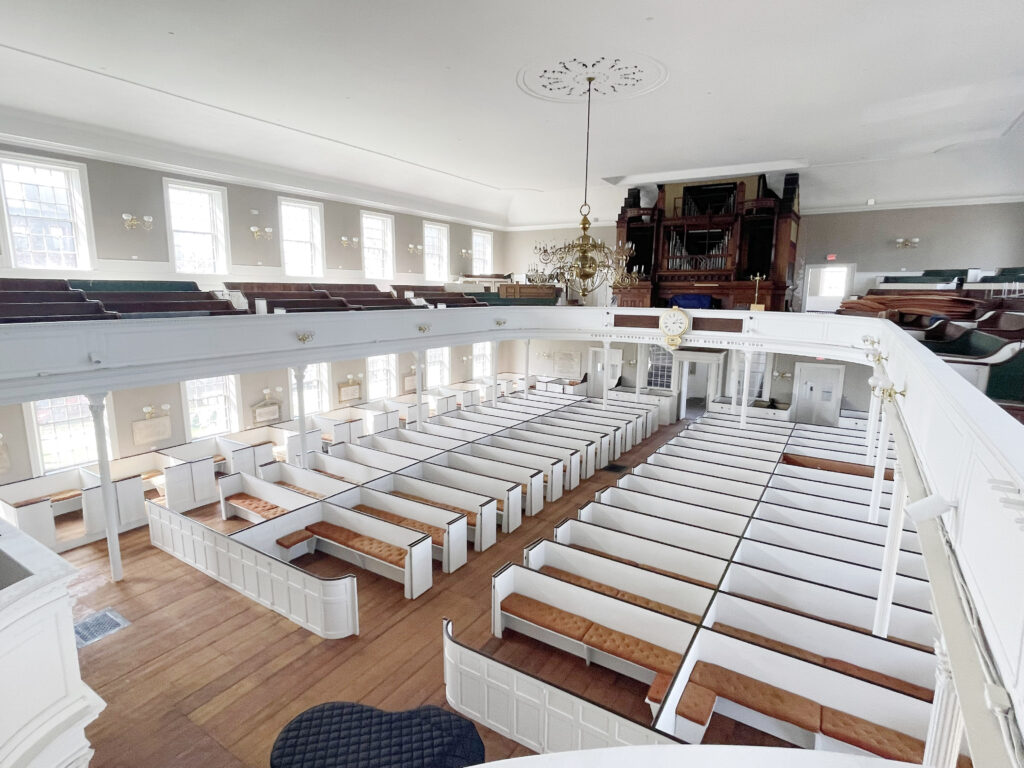
An example of DREAM’s extensive historic preservation experience is our project at First Church Roxbury in Roxbury, Massachusetts. Built in 1804, the Church is the oldest surviving wood-frame meetinghouse in Boston and the fifth meetinghouse built on this site. DREAM Collaborative joined the Unitarian Universalist Urban Ministry and First Church Roxbury team to advance the restoration and preservation of this historic building while enhancing its use as a community meeting and performance space. The completed renovation also addressed accessibility, allowing all members of the community greater access to the Meetinghouse.
Massasoit Community College House Doctor
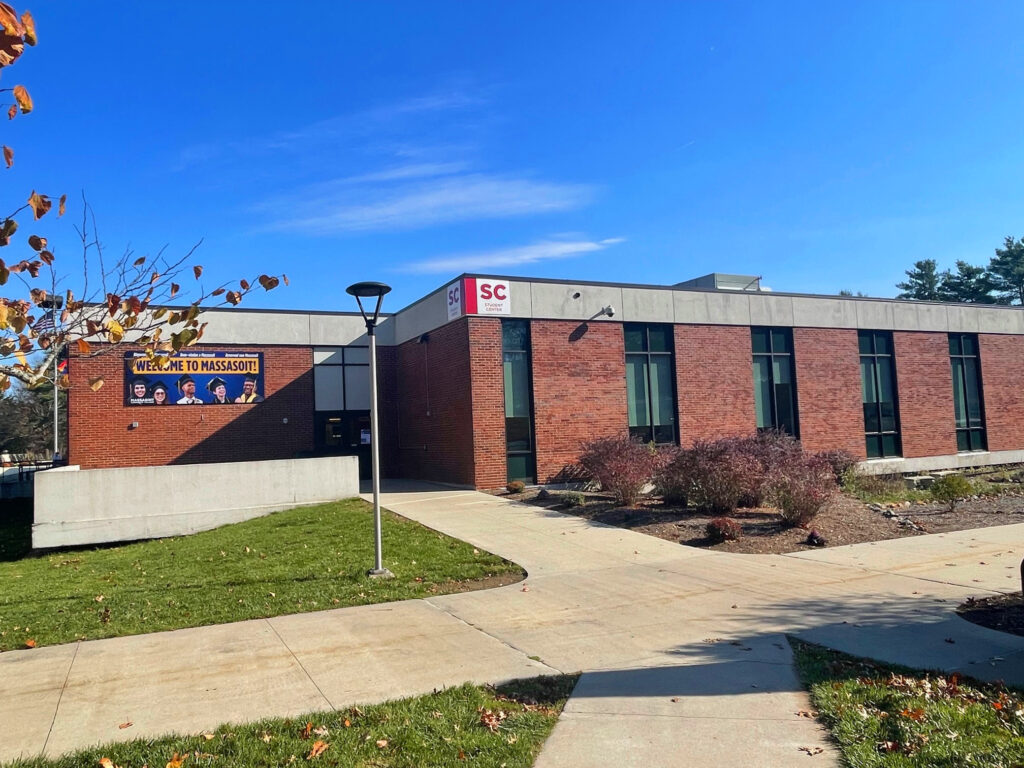
DREAM Collaborative successfully completed a multi-year House Doctor contract with Massasoit Community College (MCC), providing comprehensive building renovations, repairs, and upgrades across its 100-acre Brockton and 18-acre Canton campuses. Throughout this long-term partnership, our team managed the full lifecycle of small capital projects, consistently delivering M.G.L. c.149 and c.30, § 39M bid documents on accelerated schedules.
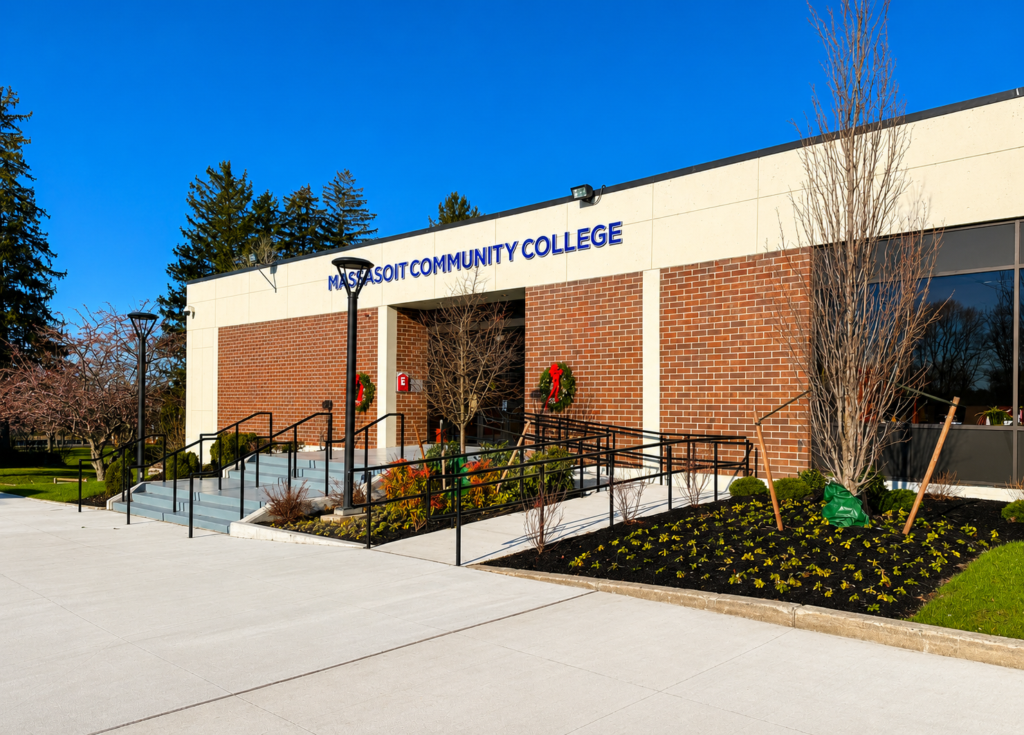
Our work encompassed a wide range of projects within older, occupied academic buildings, including classrooms, administrative offices, and support spaces, with a focus on decarbonization and energy efficiency. Using rigorous metrics to evaluate the remaining useful life and lifecycle costs of critical building systems, DREAM helped ensure each upgrade supported MCC’s long-term sustainability and climate resilience goals.